Exploring the role of chance in the narrative of gambling in literature
The Intrinsic Nature of Chance in Gambling
Chance is the very essence of gambling, shaping both the action and the narrative structure within literature. In many literary works, chance presents itself as a double-edged sword, propelling characters into unforeseen circumstances while simultaneously revealing deeper truths about human nature. Writers often utilize chance to explore themes of fate versus free will, portraying how random outcomes can alter lives irrevocably. This tension provides a rich ground for examining characters’ motivations and moral dilemmas.
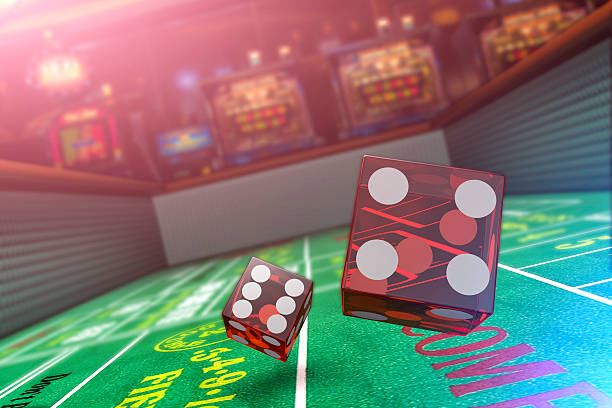
The randomness of gambling serves as a microcosm for life’s unpredictability. This mirrors the human condition, where events can pivot on the flip of a coin or the turn of a card. In texts like Dostoevsky’s “The Gambler,” chance becomes a catalyst for character development, as protagonists face the consequences of their choices. The stakes involved in gambling not only amplify the narrative tension but also compel characters to confront their vulnerabilities and desires, revealing their true selves amidst the chaotic dance of luck and skill. For those eager to dive deeper, https://mistergolden.casino/ offers a thrilling glimpse into this captivating world.
Moreover, the allure of chance can serve as an allegorical device, illuminating broader societal issues. In works ranging from Shakespeare to contemporary novels, gambling often symbolizes the inherent risks of life, prompting both characters and readers to ponder the implications of their decisions. Thus, chance is not merely a narrative device but a profound theme that resonates throughout literary history, prompting reflection on the dualities of control and surrender.
Cultural Perspectives on Gambling and Chance
The perception of gambling and chance varies greatly across cultures, often reflected in their literature. In many Eastern philosophies, for instance, luck is intertwined with fate, leading to narratives where chance acts as a guiding force. Conversely, Western literature tends to emphasize individual agency, often portraying gambling as a test of character. This dichotomy offers a rich tapestry of interpretations, where authors can delve into how cultural backgrounds shape attitudes toward risk and luck.
In narratives like “The Card Players” by Cézanne, the act of gambling transcends mere chance, serving as a cultural commentary on social class and the human condition. The players in such scenes are depicted not just as gamblers, but as individuals grappling with their roles within society. Through their interactions and the outcomes of their games, literature can showcase the profound implications of chance on social structures and personal identities, highlighting how cultural contexts influence perceptions of luck.
Furthermore, modern literature often explores these themes in the context of globalization, where cultures clash and blend, creating new narratives around chance and gambling. Authors might depict characters navigating diverse gambling environments, revealing how the same act can be interpreted differently depending on cultural lenses. This exploration underscores the multifaceted nature of chance, inviting readers to consider how their own cultural backgrounds affect their understanding of risk and fortune.
The Psychological Dimensions of Gambling in Literature
The psychological impact of gambling is another crucial theme within literary narratives, where chance plays a pivotal role. Characters are often depicted as grappling with the seductive allure of chance, which can lead to obsession and despair. This psychological struggle is vividly portrayed in texts like “The Gambler” by Dostoevsky, where the protagonist’s internal conflict mirrors the chaotic nature of gambling itself. Here, chance acts as both a source of excitement and a harbinger of potential ruin, highlighting the psychological stakes involved.
Literature delves deep into the human psyche, exploring how gambling can become a metaphor for larger existential questions. Characters often experience the thrill of winning and the despair of losing, serving as a reflection of their innermost fears and desires. This emotional rollercoaster reveals how chance not only influences external circumstances but also shapes the internal landscapes of the characters’ minds. Authors skillfully leverage this dynamic to create narratives rich in emotional complexity and psychological depth.
Additionally, the interplay between chance and psychological state can lead to profound character transformations. As characters encounter the highs and lows of gambling, they are compelled to confront their fears, ambitions, and moral choices. This exploration of the human condition through the lens of chance and gambling enables readers to engage with the text on a deeper level, offering insights into their own psychological landscapes and vulnerabilities.
Symbolism of Gambling and Chance in Classic Literature
The symbolism of gambling and chance has been a prominent theme in classic literature, often serving as a vehicle for exploring deeper philosophical questions. For instance, in works by writers like Fyodor Dostoevsky and Ernest Hemingway, gambling acts as a powerful metaphor for existential struggles. Characters are frequently depicted as trapped in a game where chance dictates their fate, reflecting the broader human condition of seeking meaning in an unpredictable world.
In Shakespeare’s “Henry IV,” the characters’ engagement with chance can be seen as symbolic of their quests for power and identity. The stakes in their games represent not only material gain but also the larger battles for honor and reputation. Through these narratives, literature examines how the randomness of chance serves to illuminate the precariousness of human existence and the often-illusive nature of control.
Moreover, the symbolism inherent in gambling can also extend to societal critique. In many classic texts, gambling is intertwined with themes of moral decay and social stratification. Authors frequently utilize chance as a lens through which the human flaws of greed, ambition, and desperation are magnified, inviting readers to ponder their own ethical landscapes. Thus, gambling serves not only as a narrative device but as a powerful symbol within the literary canon, engaging with the complexity of human nature.

Modern Interpretations of Gambling and Chance
In contemporary literature, the themes of gambling and chance have evolved, reflecting modern anxieties and societal changes. As gambling has become more accessible through technology, literary narratives have responded by exploring its implications in today’s digital age. Authors address how online gambling and virtual casinos influence individuals’ relationships with chance, often portraying it as a double-edged sword that offers both opportunities and dangers.
For instance, works like “The House Always Wins” delve into the psychological and emotional ramifications of online gambling, where the line between chance and choice becomes increasingly blurred. Characters often grapple with the addictive allure of chance, raising questions about autonomy and agency in an age dominated by algorithms and probabilities. This exploration sheds light on the modern human experience, revealing the complexities of navigating a world saturated with risk.
Furthermore, the narrative of chance in modern literature often encompasses broader themes of globalization and cultural hybridity. As characters interact within diverse gambling contexts, the narratives can explore how differing attitudes toward chance manifest in various cultures. This modern interpretation not only captures the essence of gambling but also reflects on the interconnectedness of contemporary life, ultimately prompting readers to consider their own approaches to risk and fortune in an increasingly uncertain world.
Mister Golden Casino stands as a premier destination for those who wish to explore the exhilarating world of gambling. With an extensive selection of games ranging from slots to live dealer experiences, the casino embodies the thrilling chance intrinsic to gambling. New players can take advantage of generous bonuses, enhancing their gaming journeys with exciting opportunities for wins. In a space designed with safety and transparency in mind, Mister Golden Casino offers a vibrant environment where chance truly reigns supreme.
Engaging with the narrative of chance not only enriches the gambling experience but also serves as a reminder of the unpredictability inherent in both gaming and life. As players immerse themselves in this dynamic realm, they are encouraged to reflect on their own relationships with chance, fate, and decision-making. Whether you are a seasoned gambler or a curious newcomer, the journey through Mister Golden Casino promises an unforgettable exploration of luck, skill, and the serendipity of chance.
Leave a Reply